
Most surfers who make it to Sri Lanka know Weligama. A few discover Mirissa. Almost none find Madiha, and the ones who do prefer to keep it that way. Located 15 kilometres east of Weligama along Sri Lanka’s southern coast, Madiha Beach is the kind of wave that rewards research: a quality A-frame reef break, uncrowded lineups year-round, and a village that hasn’t been absorbed into the surf-tourism circuit. If you’re reading this, you’re already one step ahead.
New to Sri Lanka surfing? Start with the complete guide to surfing in Sri Lanka before going deeper on Madiha.

What kind of wave is Madiha Beach?
Madiha is an A-frame reef break on Sri Lanka’s south coast. The left peels into long, rippable walls with room for multiple turns. The right is faster, steeper, and hollower. Swells of 3 to 6 feet are the norm on a good day, with offshore winds from November to May.
The reef sits close enough to shore that you can watch sets from the beach and read the break before paddling out. Most mornings, the lines peel cleanly across both sides of the A-frame with space between surfers to actually surf.
On a typical day with a solid swell running, you might share the water with six to ten surfers. For a reef break that’s on any map at all, that kind of lineup is increasingly hard to find.
How does Madiha compare to Weligama and Mirissa?
Weligama is a wide sandy bay, great for beginners but regularly crowded with 50 or more surfers on a good swell day. Mirissa is a fun, accessible peak on smaller swells. Madiha is more powerful, steeper, and far less crowded: a different wave for a different kind of surfer.
The three breaks sit within 20 kilometres of each other on Sri Lanka’s south coast, but they draw different crowds. Weligama works for surf schools and beginners because its sandy bottom and gentle slope are forgiving. Madiha’s reef bottom and faster takeoff filter out most of that traffic naturally.
If you’ve moved past the foam board and want a wave that demands more commitment, Madiha is the logical next stop east along the coast.
Is Madiha Beach suitable for beginner surfers?

The main reef at Madiha is not suitable for beginners. The coral bottom is sharp, the takeoff is steep, and falling in the wrong section can cause cuts or contact with sea urchins. Nearby sandy breaks at SK Town and Medawatta are the right starting point, a short tuk-tuk ride from Madiha.
SK Town and Medawatta are part of the broader Matara surf scene. Both sit on sandy bottoms with more forgiving wave shapes, and five minutes by tuk-tuk gets you there from Madiha. Beginners who base themselves in Madiha can learn at those breaks and work up to the reef over the course of a week.
Tailslide’s coaching covers both the reef and the nearby beginner breaks, so guests at all levels can progress without being pushed onto a wave they’re not ready for.
When is the best time to surf Madiha?
Madiha’s main season runs from November to early April, when offshore winds groom Indian Ocean groundswells into clean, consistent lines. Swells originate from deep Southern Ocean storms in the Roaring Forties. Morning sessions from dawn until around 10:30am offer the most reliably glassy conditions.
During the peak months of December to February, swell heights settle between 3 and 6 feet, head high to overhead. Madiha’s deep-water reef structure holds larger swells well, maintaining shape when nearby beach breaks close out above 4 feet.
Evening glass-offs happen when the afternoon sea breeze drops before sunset. Worth staying in the water for, but mornings are the more reliable option. Early sessions also mean fewer people out.
Before paddling out, it’s worth checking the live swell and wind forecast for Madiha on surf-forecast.com, which gives daily swell height, period, and wind direction.
How do you navigate the reef at Madiha?
Madiha has a keyhole channel carved through the coral just to the side of the main peak. Always use it to paddle out. Never walk on the reef. The seabed has spiky black sea urchins: fall flat when bailing, not feet-first. Reef booties are worth the bag space.
Paddling straight out through the surf zone at Madiha wastes energy and risks fin damage on shallow coral heads. The keyhole is a deeper channel that runs naturally to the side of the peak. First-timers at the break should ask a Tailslide coach or a local surfer to point it out before going in.
- Always paddle until you’re in waist-deep water before touching the bottom
- When bailing from a wave, fall flat like a starfish rather than feet-first
- Reef booties give you protection on entry, exit, and if you have to touch bottom
What is surf etiquette like at Madiha?
Madiha has a close-knit local surf community. Standard lineup rules apply: don’t drop in, wait your turn, and look before committing to a wave. Respect shown to local surfers early in a session tends to be returned. The vibe is welcoming when the basics are followed.
The local surfers at Madiha have been riding this break their whole lives. They know every section of the reef. Yielding a good set wave in the first 20 minutes of a session costs you one wave and earns you more goodwill than almost anything else.
On a reef break, being called into a wave by a local is a signal that you’ve been accepted in the lineup. If it happens, go. It’s part of how the culture works here.
How do you get to Madiha from Colombo?
From Colombo airport, a private taxi via the Southern Expressway (E01) takes roughly 2.5 to 3 hours to Madiha with no city traffic. The coastal train from Colombo Fort to Matara is the scenic budget option. Madiha is 10 minutes by tuk-tuk from Matara station.
For travellers arriving with boards, a private taxi or minivan is the simplest option. Minivans fit boards inside; standard taxis often need a roof rack arranged in advance. The Southern Expressway removes the slow crawl through Colombo’s suburbs entirely.
The coastal train from Colombo Fort to Matara is one of the better rail journeys in South Asia. It hugs the shoreline for much of the trip south and takes around three to four hours depending on the service. Boards travel in the luggage car. From Matara station, a tuk-tuk to Madiha costs a few hundred rupees.
Where should you stay when surfing Madiha?
Tailslide Surf House is the closest accommodation to Madiha’s breaks. Founded by Podi, a nationally ranked Sri Lankan surfer who grew up on these waves, it sits steps from the water. Guests can check the lineup from the property and be in the water within five minutes of waking up.
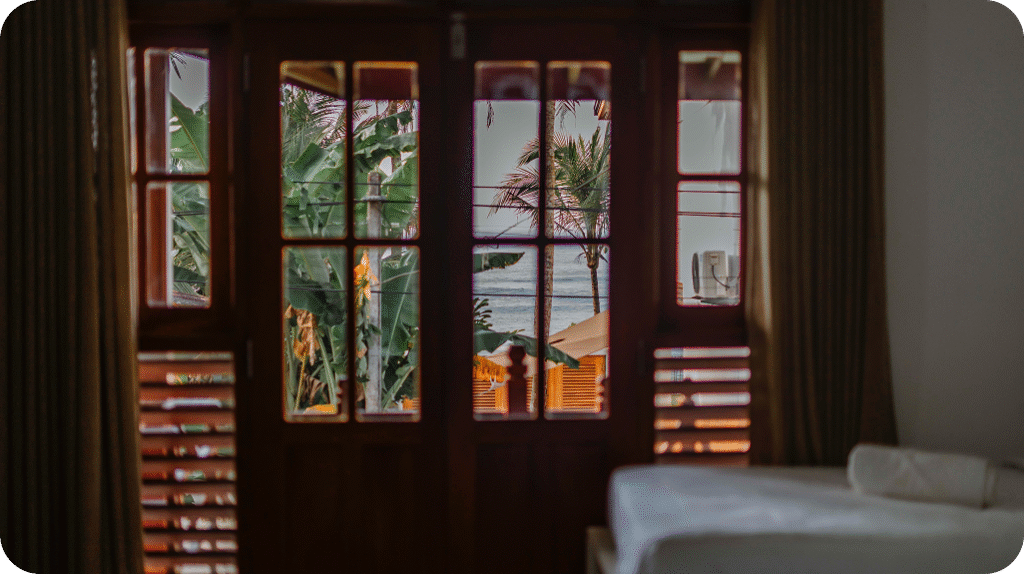
The surf house is designed around the rhythms of a surf trip. Early starts don’t need an alarm because you can hear the ocean from the rooms. Outdoor showers, board storage, and a communal space where guests compare notes on the morning session are all part of it.
More on rooms, layout, and what’s included: Tailslide boutique surf house, Madiha
Tailslide keeps a quiver of boards for rental: fiberglass shortboards, performance twin-fins, and longboards suited to Madiha’s faster walls. No need to pay airline baggage fees on your own board. Worth checking volume and condition on arrival and matching the board to the swell that’s running.
For those combining surfing with yoga or structured recovery, Tailslide also runs a surf and yoga retreat programme from the same property.
What can you do in Madiha between surf sessions?
Polhena Beach, 10 minutes away, has resident green sea turtles for snorkelling year-round. Mirissa is 20 minutes west for whale watching from November to April. Galle Fort, a UNESCO World Heritage site, is 45 minutes west by car. Dondra Head Lighthouse marks Sri Lanka’s southernmost point, a short scooter ride from Madiha.
Flat days don’t feel wasted in Madiha. The village has good local coffee, Sri Lankan seafood restaurants, and a pace that doesn’t feel like a resort. It’s the kind of place where you can switch off without being bored.
- Polhena snorkelling: Resident green sea turtles feed in the reef lagoon year-round. Masks available to rent locally. 10 minutes from Madiha.
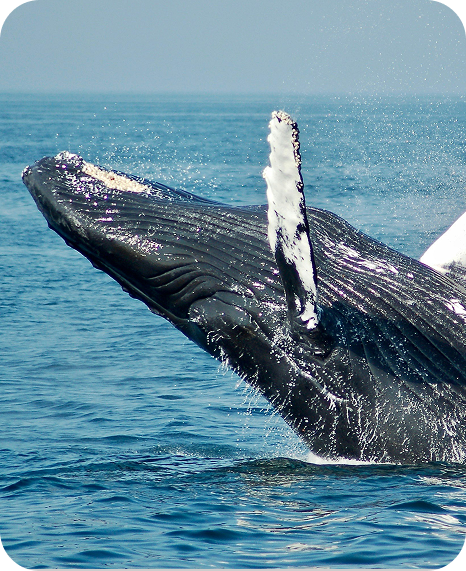
- Whale watching at Mirissa: Blue whales and sperm whales pass close to shore from November through April. Book a morning boat in advance.
- Galle Fort: 45 minutes west. A Dutch-colonial UNESCO World Heritage site with history, good cafes, and somewhere to walk that isn’t the beach.
- Dondra Head Lighthouse: Sri Lanka’s southernmost point. Worth the scooter ride for the geography and the views looking back up the coast.
- Ayurvedic massage: Local practitioners in Madiha and Matara. Useful for paddle-fatigued shoulders before the next swell.
Plan your Madiha surf trip
Madiha is what most popular surf destinations used to be before they got popular. A quality wave, a manageable lineup, locals who know every section of the reef, and enough to do on flat days to keep the trip interesting.
Time your visit for November to April, respect the reef and the lineup, and base yourself as close to the water as you can get. The rest follows.
Ready to surf Madiha? Book your stay at Tailslide Surf House. Steps from the reef.
About the author
Podi | Founder, Tailslide Surf House | Sri Lanka national surfer, top-3 national ranking
Podi grew up surfing the breaks at Madiha and has been coaching surfers on Sri Lanka’s south coast for over a decade. He founded Tailslide Surf House after competing nationally, with the goal of running serious coaching at a spot that still has the lineups to support it. Every section of this guide reflects conditions he surfs and coaches in daily.